
Outdoor Labeling: Why the Material Is Only Half the Answer (And What the Other Half Is)
Posted by Thermal Printer Supplies on Sep 21st 2026
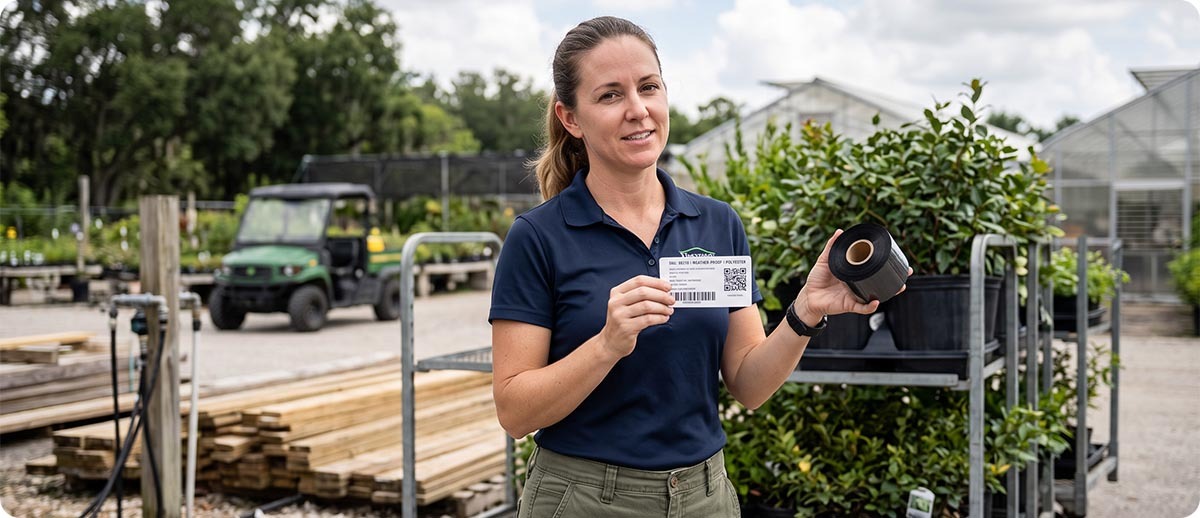
By Thermal Printer Supplies | Labels & Ribbon | Outdoor Labeling System Guide
We have separate guides covering the general outdoor label material decision and the full wax vs wax-resin vs resin ribbon breakdown. This guide is specifically for the common outdoor labeling applications our customers ask about most: plant stakes and horticultural tags, asset tags on vehicles and outdoor equipment, and outdoor inventory locations. Each one has specific requirements that point to a clear material and ribbon combination.
Why the Ribbon Matters as Much as the Material
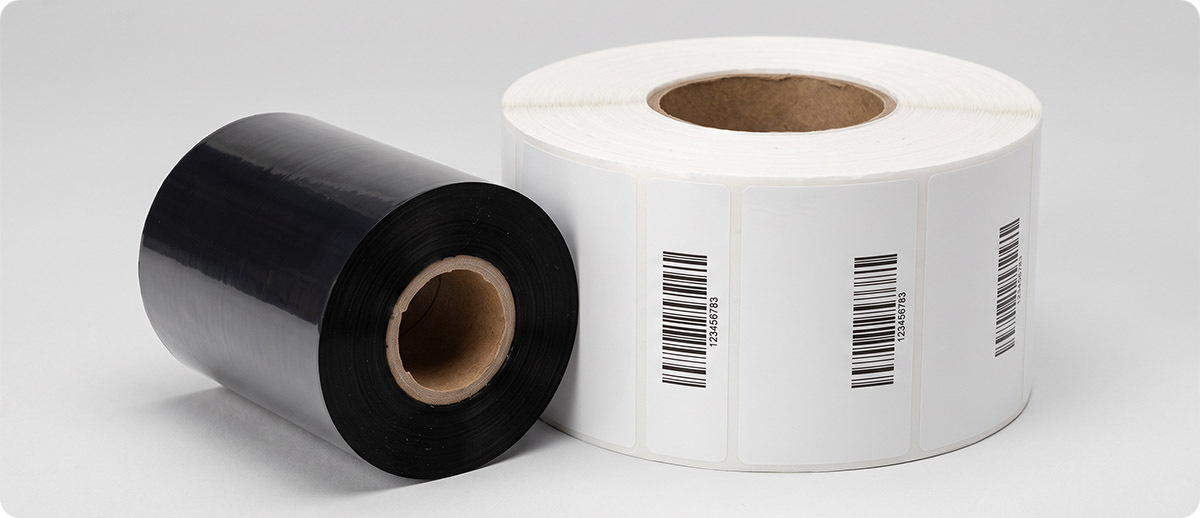
A thermal transfer label has two layers that both need to hold up: the facestock material and the ink that the ribbon transferred onto it. When people choose polyester or polypropylene for outdoor labeling they're making the right call on the facestock. Synthetic materials don't absorb moisture, don't tear as easily as paper, and don't degrade in UV the way paper does.
But the ink sitting on top of that facestock is only as durable as the ribbon it came from. Wax ribbon ink is soft. It smears with moisture, scratches with handling, and fades in UV exposure. Wax-resin is better but still not rated for sustained outdoor conditions. Resin ribbon ink is hard, chemical-resistant, UV-stable, and the only ribbon type that produces a printed image that can actually match the facestock's outdoor rating.
The practical rule for any outdoor label application: synthetic facestock plus resin ribbon. That combination produces a label system where both layers are doing their job in outdoor conditions. Any other ribbon pairing on an outdoor label means the ink will fail before the material does.
Application Guide: The Right System for Each Outdoor Use Case
Plant stakes, horticultural tags, and nursery labeling
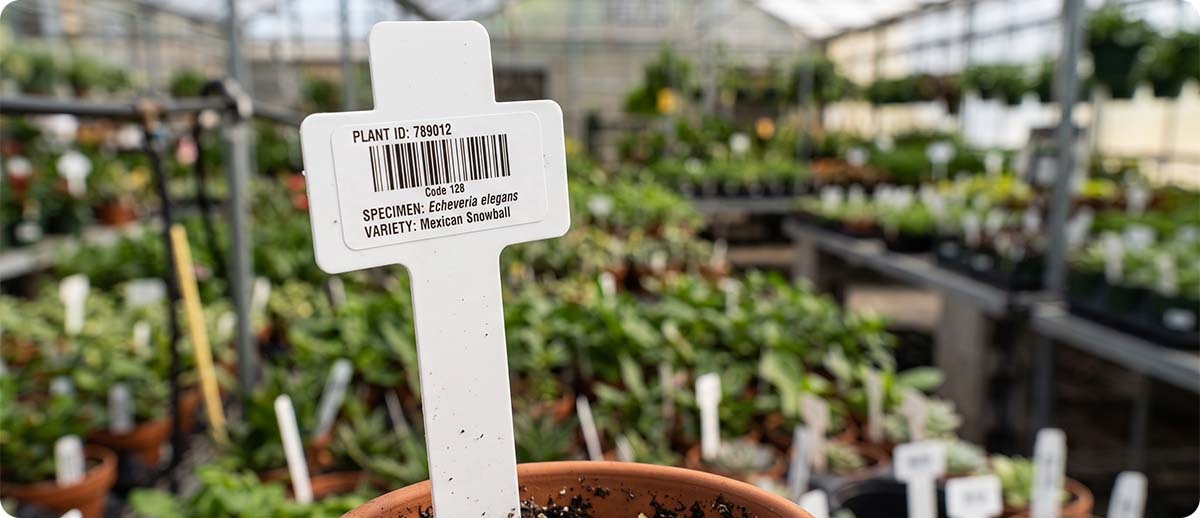
Plant tags live in direct sun, get watered, collect soil on the surface, and need to stay readable through an entire growing season or longer. The specific challenge here is that many horticultural applications also involve chemical exposure from fertilizers, herbicides, and pesticides that would attack wax or wax-resin ink even on a synthetic label.
Polypropylene is a common choice for plant tag applications because it's flexible enough to handle curved stake surfaces, has excellent moisture resistance, and costs less than polyester. The critical pairing is resin ribbon. Polypropylene with resin ribbon produces a plant tag that resists moisture, handles chemical exposure from typical agricultural inputs, and stays readable through an outdoor growing season without fading or smearing.
For longer-lived applications like perennial plant markers or permanent specimen tags in botanical collections, polyester with resin ribbon steps up the UV and abrasion resistance for multi-year outdoor readability.
Asset tags on vehicles and outdoor equipment
Asset tags on fleet vehicles, construction equipment, agricultural machinery, and outdoor industrial equipment face a specific combination of challenges: sustained UV from outdoor storage, temperature cycling as equipment heats and cools, physical abrasion from handling and contact, and in many cases chemical exposure from fuel, lubricants, and cleaning agents.
This is where polyester earns its premium over polypropylene for outdoor use. Polyester is dimensionally stable under heat, meaning it doesn't soften or distort when equipment surfaces get hot in direct sun. It has better chemical resistance than polypropylene, particularly on lubricant and fuel exposure. And the Z-Ultimate 4000T specifically is rated up to 3 years outdoors with the right adhesive, which covers most asset tag lifecycle requirements without a relabeling cycle.
On vehicle and equipment surfaces, adhesive selection matters as much as the facestock. Metal surfaces that are painted or powder-coated need an adhesive that bonds to potentially low-energy coatings. The Z-Ultimate 4000T High-Tack is specifically formulated for this scenario. Pair it with Zebra 5095 Resin ribbon and you have a complete asset tag system that handles the full outdoor equipment environment.
Outdoor inventory and yard location labels
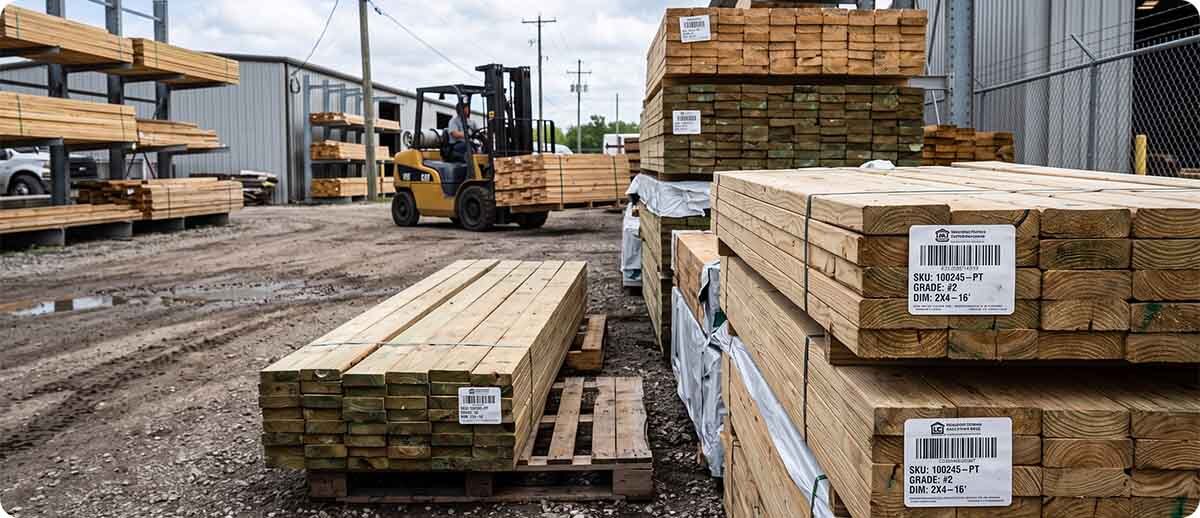
Outdoor inventory labels at lumber yards, building material suppliers, equipment rental yards, and similar operations face the straightforward combination of weather exposure and the need for reliable barcode scanning over extended periods. A label applied to a pallet of lumber or a piece of rental equipment needs to remain scan-accurate through rain, sun, and multiple handling events before the inventory is sold or returned.
Polypropylene with resin ribbon is a common and cost-effective solution for shorter-duration outdoor inventory labels where the label needs to survive a season but not years. The polypropylene facestock handles moisture reliably and the resin ink resists the smearing and fading that would render a barcode unscannable before the inventory moves.
For yard location markers, rack end labels, or any outdoor inventory label that needs to stay in place and readable for a full year or more, polyester with resin ribbon is the right step up. The longer UV stability and better abrasion resistance of polyester versus polypropylene matters when the label is being exposed continuously rather than for a few months.
Polyester vs. Polypropylene: The Quick Outdoor Decision
| Factor | Polypropylene | Polyester |
|---|---|---|
| Cost | Lower | Higher |
| Moisture resistance | Excellent | Excellent |
| UV / outdoor lifespan | Season to 1 year | Up to 3 years |
| Heat tolerance | Moderate | High (up to 300°F) |
| Chemical resistance | Good | Better |
| Flexibility | More flexible | Stiffer |
| Best for | Plant tags, short-term outdoor inventory | Vehicle/equipment asset tags, long-term outdoor |
| Required ribbon pairing | Resin only | Resin only |
The Confirmed Outdoor Label Systems at TPS
For Vehicle and Equipment Asset Tags and Long-Term Outdoor Use
Zebra Z-Ultimate 4000T Polyester + Zebra 5095 Resin Ribbon
Gloss polyester facestock rated up to 3 years outdoors. High-Tack adhesive for coated and powder-coated metal surfaces. Pair with Zebra 5095 Resin ribbon for UV-stable, chemical-resistant print that matches the label's outdoor rating. Available in white, silver, and clear.
Shop Z-Ultimate 4000T → Shop Zebra 5095 Resin →For Plant Tags, Horticultural Labels, and Shorter-Term Outdoor Inventory
Polypropylene Label + Zebra 5095 Resin Ribbon
Flexible synthetic facestock with excellent moisture resistance. Cost-effective for seasonal or shorter-term outdoor applications. Must be paired with resin ribbon for outdoor durability. Standard wax or wax-resin ribbon will produce a label that fades and smears in outdoor conditions regardless of the facestock material.
Shop Polypropylene Labels → Shop Zebra 5095 Resin →Quick Questions
Can I use wax-resin ribbon on outdoor polypropylene labels?
Wax-resin bonds to matte synthetic surfaces better than standard wax does, and it's a step up in durability for indoor applications that see some handling. For sustained outdoor exposure it's not the right choice. UV and continuous moisture exposure will degrade wax-resin ink over time in a way that full resin ink resists. If the label is going outside and needs to stay readable for more than a few weeks, use resin. The cost difference between wax-resin and resin ribbon is not significant enough to justify the performance gap in an outdoor application.
Our plant tags only need to last one growing season. Do we still need resin ribbon?
Yes. One growing season in direct sun with regular watering and occasional fertilizer contact is a demanding environment for a printed label. Wax or wax-resin ink will fade or smear within weeks in those conditions. Resin ink is UV-stable and moisture-resistant, which is exactly what makes it the right pairing for a plant tag that needs to be readable from spring through fall. The resin ribbon is the piece that keeps the barcode scannable and the text legible through the season.
We're labeling both metal equipment and plastic components outdoors. Same label system for both?
The ribbon is the same: resin for both. The label material and adhesive may differ. Metal surfaces, especially painted or powder-coated ones, benefit from a high-tack adhesive like the Z-Ultimate 4000T High-Tack. Plastic surfaces with low surface energy may also need the high-tack version. Smooth unpainted metal surfaces bond well with standard permanent adhesive polyester. If you're running one label across both metal and plastic, the high-tack version is typically the safer choice since it performs on both surface types while standard adhesive may not hold reliably on low-energy plastics.
If you're not sure which combination of facestock, adhesive, and ribbon is right for your specific outdoor application, fill out the form below and describe what you're labeling, what the exposure conditions are, and how long the label needs to perform. We can confirm the right system before you order.