
Why Barcode Labels Don't Stick: A Hidden Threat to Your Business
Posted by Thermal Printer Supplies on May 25th 2025
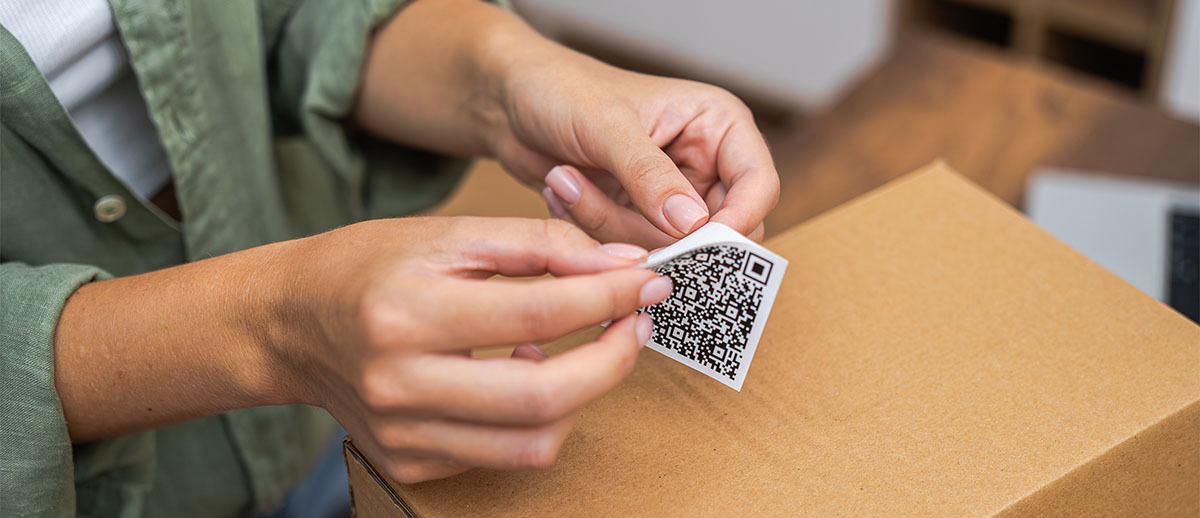
Barcode labels are one of the most overlooked components in supply chain management. They quietly carry the data that keeps operations moving: product identification, traceability, weights, dates, and lot numbers. But when these small labels fail to do one big job—stick—the consequences can be catastrophic. From lost revenue and delayed shipments to compromised traceability and broken customer trust, a failed barcode label adhesive isn’t just an annoyance. It’s a business threat.
Nightmare Scenarios Where Barcode Labels Fail
Scenario 1: Cold Storage Catastrophe
A perishable food manufacturer switches to a cheaper barcode label vendor to cut costs. They apply the labels, store the products in a cold storage facility, and assume all is well. But days later, when the products are being picked for an order, the labels are found on the floor. Without labels, they can't identify the product type, production date, weight, or lot numbers. Not only is the order delayed, but the entire batch needs to be relabeled, reweighed, and re-entered into the system—costing time, money, and customer satisfaction.
Scenario 2: Rental Equipment Identification Breakdown
An equipment rental company relies on durable barcode asset labels to track every piece of gear. But when customers begin returning equipment, many of the labels are missing. Without proper identification, the returns bottleneck, billing accuracy is compromised, and the staff has to scramble to manually verify assets. Worse yet, some high-value items go unbilled due to lack of verification.
The Real Job of a Barcode Label
A barcode label's job isn't just to display a barcode and human-readable information. It must remain adhered for the duration of its service life. When it doesn’t, both the producer and customer suffer. Barcode labels are the unsung heroes of supply chains, and they deserve more respect.
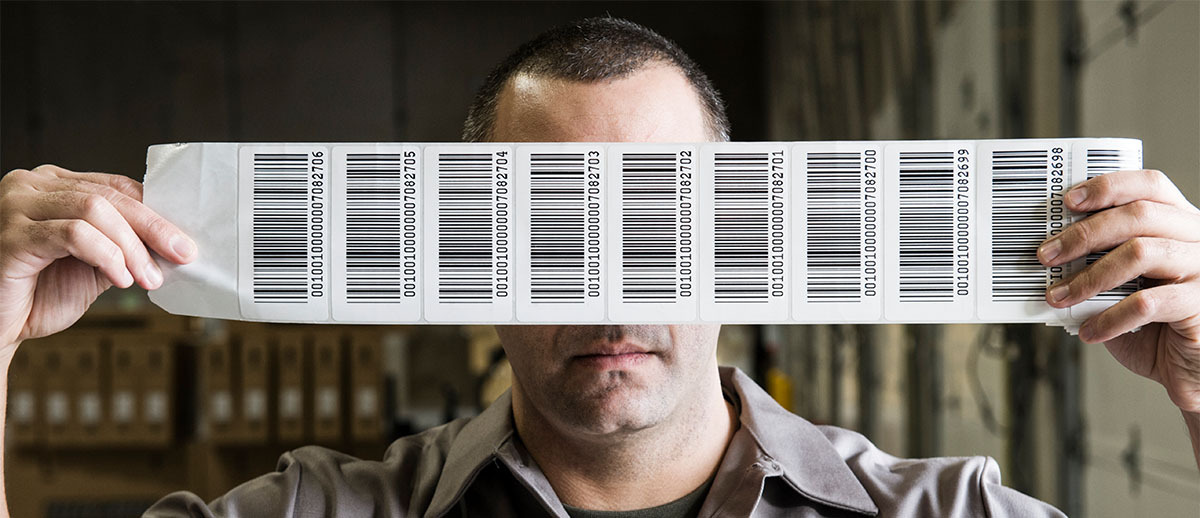
So Why Don’t Barcode Labels Always Stick?
1. Cheap Barcode Label Suppliers
The lure of lower prices can be deceptive. Some budget barcode label manufacturers cut corners to drive down costs. They may use cheap adhesives that simply aren't engineered to hold up in challenging environments. Others may under-apply adhesive to reduce material costs, which leaves you with a weak label bond.
Not all labels are created equal. If you’re not working with a reputable supplier who understands your specific application and environment, you’re risking label failure and business disruption. Partner with suppliers who care more about your outcomes than just your wallet.
2. Dirty or Compromised Surfaces
Adhesives need a clean, dry, and stable surface to form a strong bond. Dust, oil, condensation, or even manufacturing residue can compromise adhesion. If a barcode label is applied to a dirty or wet surface, it may look like it’s stuck initially, but it can easily peel off in hours or days.
Best practice? Always clean the application surface thoroughly and ensure it's dry before applying a label. Even the best adhesive can't compensate for a poorly prepared surface.
3. Cold Temperatures
Standard label adhesives are designed to be applied at or near room temperature. When exposed to cold environments like refrigerators or freezers, these adhesives lose tackiness and can even become brittle.
If you're labeling products that will be stored in cold or freezing environments, you need barcode labels with "cold storage," "freezer grade," or "all-temp" adhesive. These are engineered to bond well even in sub-zero temperatures and to remain adhered for the long haul.
4. Curved Surfaces
Flat surfaces provide optimal bonding conditions for barcode labels. But curved surfaces? Not so much. The smaller the diameter of the curve, the greater the stress on the adhesive. Labels applied to test tubes, cables, or small bottles often peel up at the edges or pop off entirely.
Solutions include using specially designed flexible labels, wraparound labels, or choosing adhesives with enhanced bonding capabilities for curved surfaces.
5. Coarse, Bumpy, or Non-Smooth Surfaces
Smooth surfaces maximize contact area, which equals better adhesion. On rough or powder-coated surfaces, contact is limited and inconsistent. Gaps allow air, dust, and moisture to sneak underneath, further weakening the bond.
In these cases, high-tack or aggressive adhesive barcode labels can help. They bond more effectively in limited-contact areas and are often designed for industrial use cases.
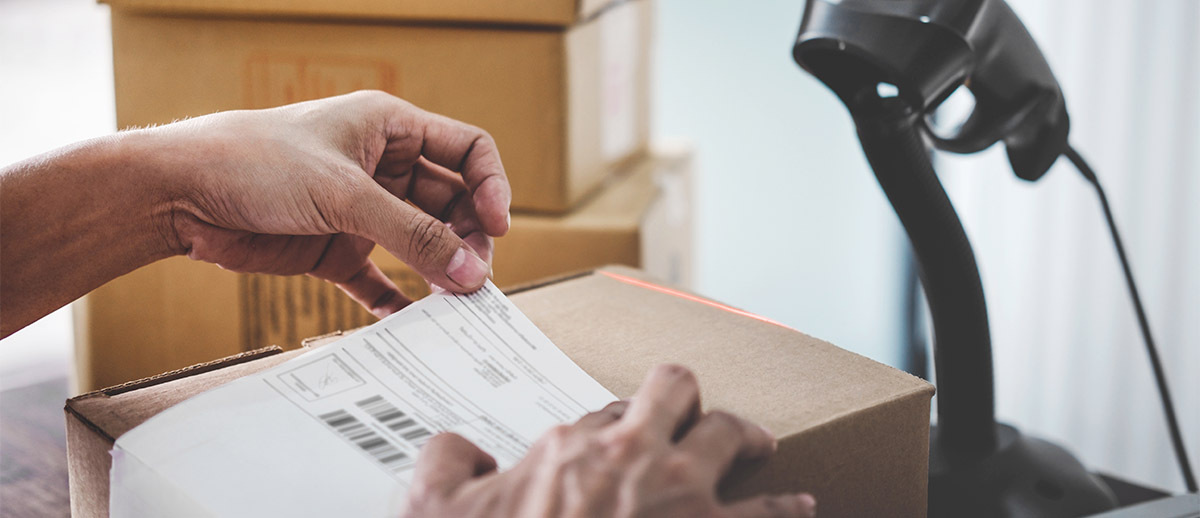
What Are the Best Options for Tricky Barcode Labeling Applications?
1. Partner with the Right Label Supplier
Work with a barcode labeling expert who doesn’t just sell labels—they solve problems. ThermalPrinterSupplies.com is the nation's most trusted name in barcode labeling solutions. With over 30 years of experience and a deep understanding of every industry challenge, TPS helps businesses succeed by delivering long-lasting, high-performing labels for every application.
2. Understand Your Application
Knowing the challenges ahead of time is half the battle. Is your product stored in cold environments? Applied to oily metal? Wrapped around a curved surface? Knowing this upfront helps in selecting the right label material, adhesive type, and shape.
3. Test, Test, Test
Never skip field testing. Before full deployment, test labels in real-world conditions. Don’t guess—know. TPS provides sample labels to help you test adhesion and durability before you commit. It’s a small step that can prevent major failures.
When barcode labels don’t stick, operations fall apart. Products become untraceable, customers get frustrated, and businesses lose money. From food production and logistics to equipment rentals and medical supplies, reliable barcode label adhesion is critical.
Avoid the pitfalls by understanding your environment, steering clear of cheap suppliers, preparing surfaces properly, and working with a trusted partner like ThermalPrinterSupplies.com. Because when it comes to barcode labeling, sticking power isn’t optional—it’s everything.
Talk to an Expert