
Why Adhesive Quality Matters for Barcode Labels
Posted by Thermal Printer Supplies on Apr 5th 2025
Barcode labels seem simple but play a critical role in today's supply chains. Their main job is to clearly identify products so they can be tracked quickly and efficiently. However, when barcode labels fail to stick properly, businesses can face costly disruptions, from minor inventory errors to major regulatory fines. Ensuring strong, reliable label adhesion is therefore essential for smooth operations, customer satisfaction, and regulatory compliance.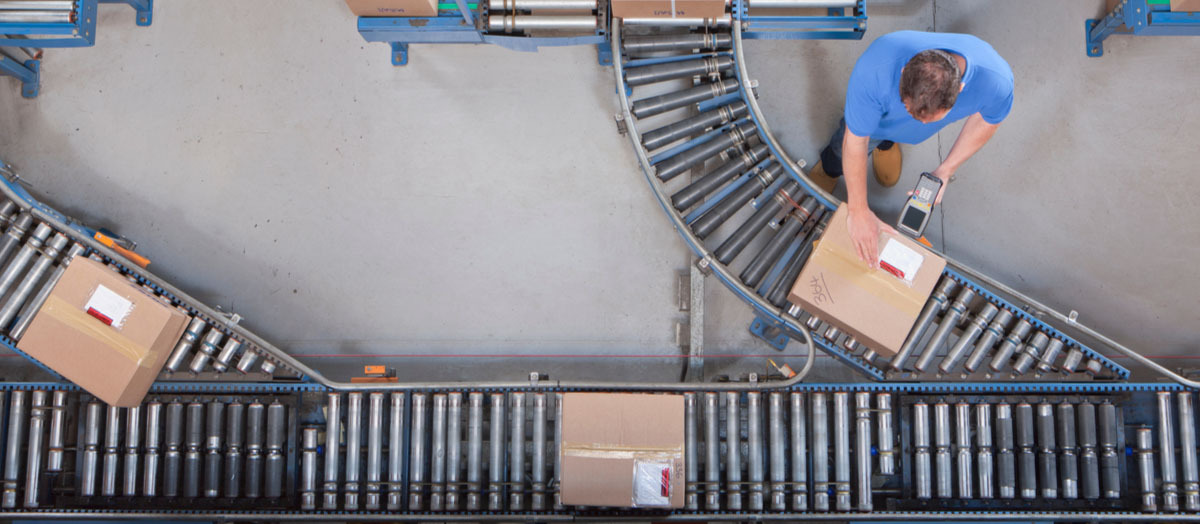
Consequences of Barcode Labels Failing to Stick
When barcode labels peel off or become unreadable, the impact can ripple throughout the entire supply chain. Key consequences include:
Loss of Traceability: Without clear labels, products can't be tracked, causing delays and errors, especially critical in industries like pharmaceuticals and food, where tracking is legally required.
Operational Inefficiency: Unscannable labels force employees to manually input data, increasing labor costs and risk of human error, slowing down processes such as receiving, inventory management, and order fulfillment.
Financial Penalties: Businesses can face fines or product rejections from retailers and regulatory agencies due to label issues, impacting profitability significantly.
Why Barcode Labels May Not Stick
Multiple factors contribute to barcode label adhesion problems:
- Surface Contamination: Dirty, oily, or wet surfaces reduce a label's ability to stick effectively. Even tiny amounts of contamination, like dust or fingerprints, can weaken adhesion significantly. Best Practices: Clean surfaces thoroughly using isopropyl alcohol. Allow surfaces to dry completely before applying labels. Minimize touching labels with bare hands; use gloves or application tools.
- Incorrect Adhesive Selection: Choosing the wrong adhesive for your application can lead to label failure. Different materials require different adhesives. Plastics, glass, metal, cardboard, and textured surfaces all have unique adhesive needs. Best Practices: Match adhesive type to surface material and environmental conditions. Use specialized adhesives for low-energy plastics, textured, porous, or curved surfaces. Consider environmental factors like extreme temperatures or moisture exposure.
- Low-Quality Adhesives: Budget labels often use lower-quality adhesives that degrade quickly, causing labels to peel or detach prematurely. Initially cheaper, these labels end up costing more in operational disruptions, equipment damage, and penalties. Best Practices: Invest in high-quality labels with proven adhesive reliability. Avoid cheap labels that can damage printers, cause downtime, and reduce barcode readability.
- Temperature Issues: Extreme temperatures weaken adhesives, making labels prone to failure. Cold conditions make adhesives brittle, while heat can make them overly soft or melt labels. Best Practices: Apply labels at room temperature (50°F to 80°F) when possible. Store labels in a controlled environment (~72°F, 50% humidity). Select labels specifically designed for extreme cold or heat when needed.
- Surface Material or Texture Incompatibility: Standard adhesives may not adhere well to rough, curved, or low-energy surfaces (like polyethylene or polypropylene plastics). Best Practices: Use high-tack adhesives designed for difficult surfaces. Consider flexible labels for curved applications. Employ specialized adhesives or primers for very challenging surfaces.
- Insufficient Application Pressure: or Poor Technique Pressure-sensitive adhesives require firm, consistent pressure to bond effectively. Weak pressure can lead to poor initial adhesion and eventual label failure. Best Practices: Apply even, firm pressure across the entire label, starting from the center outward. Use rollers or applicators for consistent pressure in high-volume applications. Allow adequate curing time (up to 72 hours) after application.
Advantages of Partnering with Reputable Label Suppliers
Working with Trusted Suppliers Offers Significant Benefits:
Expertise & Support: Experienced suppliers recommend the right labels and adhesives for your specific needs.
Quality Assurance: Reliable suppliers provide labels made from durable materials and high-quality adhesives, reducing risks of adhesion failure.
Cost Efficiency: While high-quality labels may cost slightly more upfront, they reduce long-term operational costs by minimizing disruptions, fines, and equipment issues.
Customization: Good suppliers offer tailored solutions to match specific labeling requirements, ensuring optimal adhesion and performance.
Reliable barcode label adhesion is essential for effective supply chain operations. Labels that fail to adhere can disrupt processes, lead to financial penalties, and damage business reputation. By addressing key factors like surface contamination, adhesive selection, label quality, temperature conditions, surface compatibility, and application techniques, businesses can ensure labels stick reliably. Partnering with reputable label suppliers further strengthens labeling performance, enhances operational efficiency, and provides long-term cost savings.
Talk to an Expert