
Unveiling Linerless Thermal Printing: A Revolution in Labeling
Posted by Thermal Printer Supplies on Jun 29th 2025
In the fast-paced world of logistics, retail, and food service, efficient and sustainable labeling solutions are more critical than ever. Linerless thermal printing technology is rapidly emerging as a game-changer, offering a streamlined, eco-friendly, and often more cost-effective alternative to traditional labels with a backing liner. If your business relies on thermal printing, understanding this innovative approach could significantly benefit your operations.
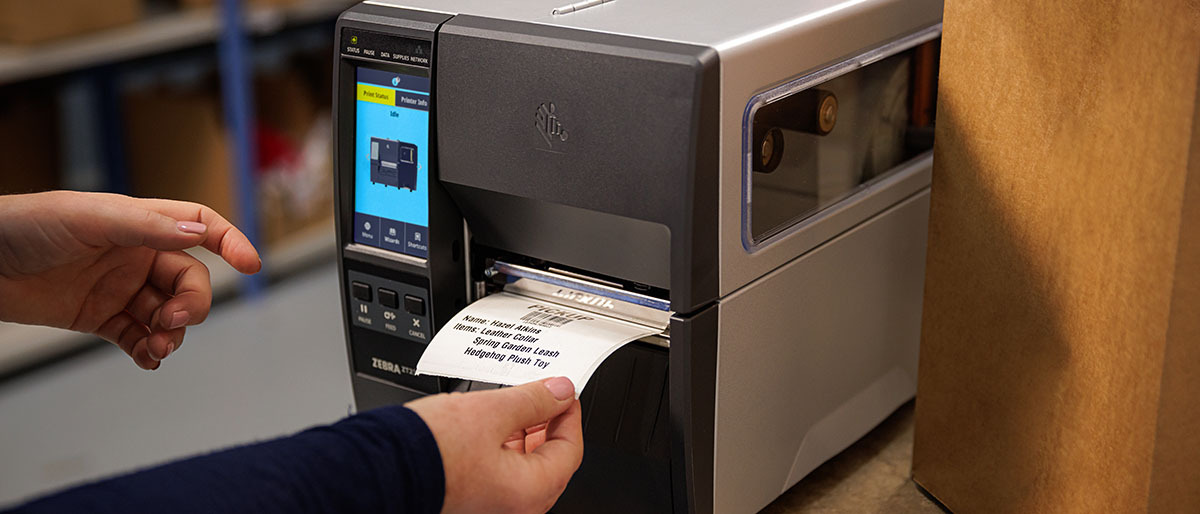
What is Linerless Thermal Printing Technology?
At its core, linerless thermal printing eliminates the need for a silicone-coated backing paper, or "liner," that is typically found on conventional adhesive labels. Instead, linerless labels are supplied as a continuous roll with adhesive on the back and a special, non-stick release coating on the front of the label material itself. This coating prevents the adhesive from sticking to the label underneath it on the roll, much like a roll of tape.
When printed, the linerless barcode printer applies heat to the label material, and a built-in cutter then precisely cuts the continuous roll to the desired length. This "print-and-cut" method means you're no longer restricted to pre-defined label sizes, offering significant flexibility.
Why Use Linerless Thermal Printing?
The shift to linerless thermal printing brings a host of benefits that impact efficiency, cost, and environmental footprint:
- Environmental Sustainability: This is perhaps the most significant advantage. By eliminating the liner, you drastically reduce waste. Traditional label liners are often difficult or impossible to recycle due to their silicone coating, ending up in landfills. Linerless thermal printing helps businesses achieve their sustainability goals by minimizing waste generation and reducing their carbon footprint through lower material consumption and transportation emissions.
- Increased Labels Per Roll: Without the bulky liner, a linerless label roll can contain significantly more labels (often 40% to 60% more) for the same roll diameter. This translates to:
- Fewer Roll Changes: Less downtime for operators, increasing productivity and efficiency.
- Reduced Storage Space: More labels in a smaller footprint, optimizing warehouse and inventory management.
- Lower Shipping Costs: Lighter and more compact rolls mean reduced freight expenses.
- Enhanced Operational Efficiency:
- Faster Application: Operators no longer need to peel a label from its backing, allowing for quicker application. This is particularly beneficial in high-volume environments like shipping, order fulfillment, and quick-service restaurants.
- Flexible Label Sizing: As labels are cut on demand, you can print variable lengths, optimizing material usage and reducing waste from pre-cut labels that are too large or too small for a specific application. This is ideal for applications where label content varies, such as deli labels or shipping labels with varying information.
- Improved Workplace Safety: The absence of discarded liners on the floor eliminates a common slip hazard in busy work environments.
- Reduced Waste and Material Costs (Long-Term): While the initial per-label cost might seem comparable or slightly higher, the overall reduction in material consumption, disposal costs, and increased operational efficiency can lead to substantial long-term savings.
Disadvantages & Considerations of Linerless Thermal Printing
While the benefits are compelling, it's important to be aware of the considerations when adopting linerless thermal printing:
- Specialized Printers Required: Linerless thermal printing requires printers specifically designed or modified for this technology. These printers typically feature a silicone-coated platen roller to prevent adhesive buildup and a reliable cutter mechanism. You cannot use standard thermal printers with linerless labels.
- Adhesive Management: Because the adhesive is exposed on the roll, proper handling and storage are crucial to prevent dust and debris from contaminating the adhesive. While modern linerless labels feature advanced adhesive formulations and release coatings, some residue on the platen roller can occur over time, requiring more frequent cleaning of the platen roller than with traditional labels.
- Limited Adhesive Options (Historically): While rapidly expanding, the range of adhesive types for linerless labels has historically been more limited compared to traditional linered labels. However, manufacturers are continually innovating, offering various adhesive strengths (permanent, removable, repositionable) to suit diverse applications.
- Batch Printing Considerations: For applications that rely heavily on batch printing and then applying labels later, the exposed adhesive of linerless labels can pose a handling challenge. Linerless is often best suited for "print-and-apply" scenarios.
- Shape Limitations: Currently, the most common and mature shapes for linerless labels are rectangular, as they are cut from a continuous roll. Complex die-cut shapes are generally not supported.
Leading Printer Models from Major Manufacturers for Linerless Printing
Several major thermal printer manufacturers offer models capable of linerless thermal printing, catering to various needs from mobile to industrial applications. When considering a linerless barcode printer, look for models explicitly stating "linerless capability" or "linerless kit option."
Here are some examples of manufacturers and their printer series often associated with linerless printing:

Zebra Linerless Printer
Zebra Technologies is a leader in thermal printing, and many of their popular models offer linerless options, particularly in their mobile and desktop series.
- Zebra ZT411 Linerless: Some industrial models also offer linerless capabilities for high-volume applications.
- Zebra ZQ Series (ZQ310 Plus, ZQ610 Plus, ZQ620 Plus): These mobile printers are often a top choice for on-the-go linerless thermal printing in retail, logistics, and field service.
- Zebra ZD621d Linerless: Desktop direct thermal printers that can be configured for linerless use, suitable for various desktop applications.

Honeywell Linerless Printer
Honeywell provides robust solutions for industrial and mobile environments.
- Honeywell PC42d-t (Linerless enabled models): A popular desktop printer that can be configured for linerless operation.
- Honeywell RP Mobile Printers: Designed for rugged environments, some models are available with linerless options for mobile printing.
SATO Linerless Printer: SATO is known for its durable and reliable industrial printers.
SATO PW2NX & PW4NX
These mobile printers are designed to handle linerless media, ideal for on-demand labeling in various settings.
- SATO CL4NX Plus: While primarily an industrial printer, some SATO industrial models can support linerless with specific configurations or accessories.

TSC Linerless Printer
TSC offers a broad range of thermal printers, including many with linerless capabilities.
- TSC Alpha Series (Alpha-2R, Alpha-30R, Alpha-40L): TSC's mobile printers frequently offer linerless options, known for their ruggedness and performance.
- TSC DH Series: Desktop printers from TSC also include models capable of linerless thermal printing.
- TSC MB Series: Some of their industrial desktop printers, like the MB241 Series Linerless, are specifically designed with sustainability and linerless printing in mind.
Bixolon Linerless Printer
Bixolon offers a diverse portfolio of printers, with several models supporting linerless technology for various applications.
- Bixolon SRP-S300 Series (SRP-S300, SRP-S3000): These are popular desktop and POS (Point-of-Sale) linerless thermal printers, often featuring anti-jamming and anti-adhesive technologies.
- Bixolon SPP-L Series (SPP-L310, SPP-L410): Mobile label printers from Bixolon that support linerless media, providing flexibility for on-the-go labeling needs.
- Bixolon XM7 Series: Rugged mobile label printers, some models are designed with linerless capabilities for demanding industrial environments.
- Bixolon XL5-40: A dedicated desktop linerless label printer known for its reliability and features like dual platen rollers and a specialized cutting system.

Star Micronics Linerless Printer
Star Micronics is well-known for its POS and mobile printing solutions, many of which are designed to support linerless sticky media.
- Star Micronics TSP100IV SK (Sticky Linerless Printer): This is a prominent model in their TSP100IV series, specifically designed for environmentally friendly, repositionable linerless sticky labels, making it ideal for retail and hospitality.
- Star Micronics mC-Label Series (mC-Label2, mC-Label3): These label printers are optimized for store operations and support strong adhesive linerless label paper.
- Star Micronics mC-Print3 Series: While primarily a receipt printer, certain configurations can support linerless media for specific applications.

Brother Linerless Printer
Brother also has a strong presence in the mobile and desktop printer market with linerless options.
- Brother TD-2 Series & TD-4 Series: These compact desktop and mobile direct thermal printers often come with integrated cutters and linerless support, suitable for retail and food service.
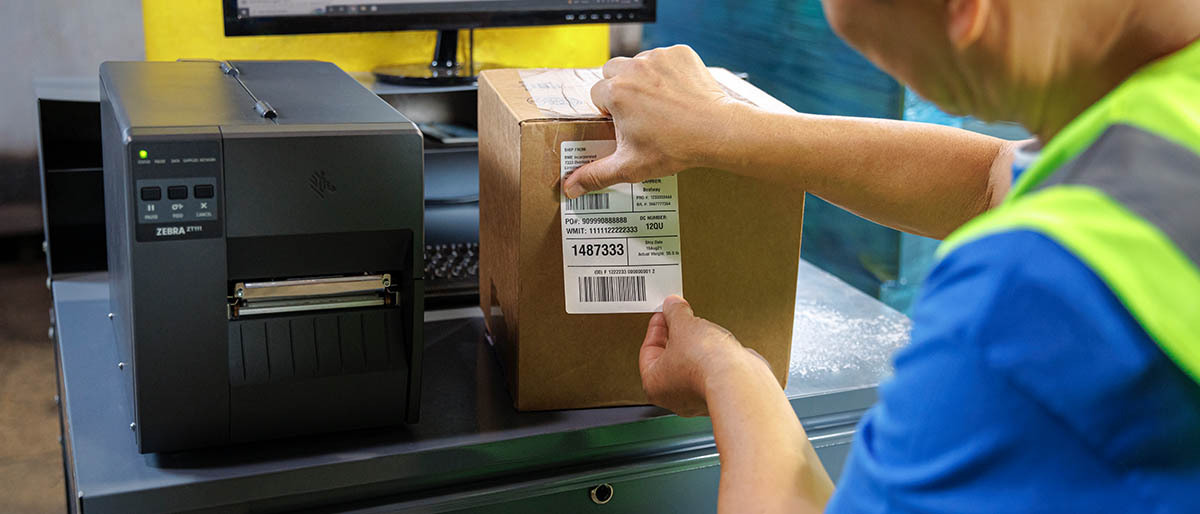
Does Linerless Printing Cost More Overall Than Regular Printing?
This is a common and important question. The answer is nuanced, but in many scenarios, linerless thermal printing can lead to significant overall cost savings, even if the initial per-label price or printer cost is slightly higher.
Do Linerless Printers Cost More? Yes, generally, linerless barcode printers or those configured for linerless printing tend to have a slightly higher upfront cost than their standard linered counterparts. This is due to the specialized components required, such as the silicone-coated platen roller and the integrated cutter mechanism. The additional technology for managing the exposed adhesive and precise cutting adds to the manufacturing complexity. However, this initial investment is often quickly offset by operational savings.
Do Linerless Labels Cost More? The per-label cost of linerless labels can be comparable to, or in some cases, slightly higher than traditional linered labels. This is because the raw material for linerless labels includes the specialized release coating on the face. However, this direct comparison misses the bigger picture:
- More Labels Per Roll, Less Frequent Purchases: As you get significantly more labels per roll, you'll purchase rolls less often, leading to reduced procurement cycles and potentially volume discounts.
- Reduced Shipping and Storage: Lighter and more compact rolls mean lower inbound shipping costs and less warehouse space required, directly impacting logistics expenses.
- Eliminated Liner Disposal Costs: For businesses with high label consumption, the cost of disposing of thousands of pounds of non-recyclable liner waste can be substantial. Linerless thermal printing eliminates this entirely.
- Increased Productivity, Lower Labor Costs: The time saved from fewer roll changes and faster application directly translates into labor efficiency. This is a significant factor in high-volume operations.
- Reduced Material Waste: The ability to print and cut to exact lengths means less wasted label material from pre-cut labels that are too large, contributing to cost savings.
While the upfront investment for a linerless barcode printer might be slightly higher and the individual linerless label cost might be on par or marginally more, the total cost of ownership (TCO) for a linerless system is often lower over time. This is driven by gains in efficiency, reduced waste, lower shipping and storage expenses, and decreased downtime. Businesses that embrace linerless thermal printing are not just adopting a greener technology; they are also streamlining their operations and often realizing a strong return on investment.
The evolution of linerless thermal printing represents a significant step forward in labeling technology. For businesses seeking to optimize their processes, reduce waste, and enhance productivity, exploring a Zebra linerless printer, Honeywell linerless printer, Sato linerless printer, or TSC linerless printer could be the strategic move that delivers lasting benefits.
Talk to an Expert