
Resin Ribbons: The Key to Chemical & Heat-Resistant Durable Barcode Labels
Posted by Thermal Printer Supplies on Oct 13th 2025
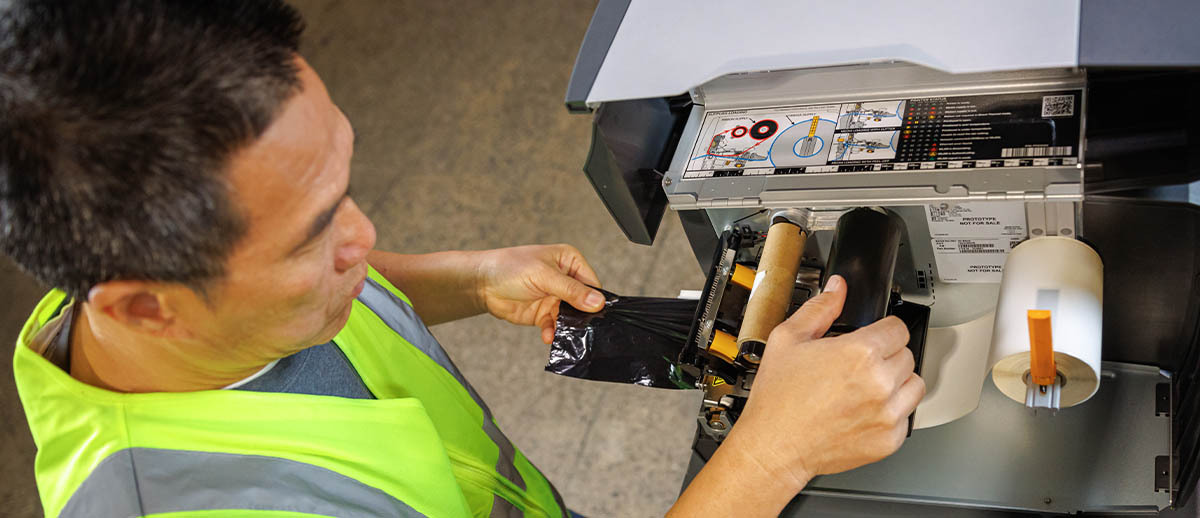
When it comes to barcode labeling, all print is not equal. Depending on the application, you must use the appropriate label material, and then, it's absolutely critical to select the correct thermal transfer ribbon to complete the solution. In industries like manufacturing, healthcare, logistics, and automotive, where labels must endure extreme conditions such as high temperatures, chemical exposure, abrasion, or outdoor weathering, the choice of ribbon can make or break the reliability of your labeling system.
Thermal transfer printing involves a printer heating a ribbon to transfer ink onto a label substrate. The three main types of ribbons—wax, wax/resin, and resin—each serve different purposes. Wax ribbons are economical and suitable for basic paper labels in mild environments, but they fail in demanding scenarios. Wax/resin blends offer a middle ground with improved resistance. However, for the toughest applications, resin ribbons stand out as the superior choice.
The Demands of Harsh Environments and Synthetic Label
In the most demanding applications and environments, a synthetic label material such as polyester or polyimide is necessary. These materials are chosen for their inherent durability—they resist tearing, moisture, chemicals, and extreme temperatures far better than paper. Polyester labels, for instance, are common in asset tracking and product identification where longevity is crucial, while polyimide excels in high-heat scenarios like circuit board labeling.
However, pairing these synthetics with the wrong ribbon can lead to disastrous results. Wax ribbons cannot be used because their low melting point (typically around 150−170∘F) and wax-based ink fail to form a strong bond with smooth, non-porous synthetic surfaces. The print is prone to smudging, scratching, or fading when exposed to solvents or abrasion. In harsh conditions, wax-printed labels can become illegible quickly, leading to scanning errors and costly rework.
Even a wax/resin ribbon likely won't work in truly demanding applications. While these blends provide better scratch resistance than pure wax, thanks to a roughly 50/50 mix, they still lack the robustness needed for extreme chemical resistance or high-temperature endurance. Only a pure resin ribbon will create print that stands up to the environmental demands, offering superior adhesion and longevity on synthetic substrates.
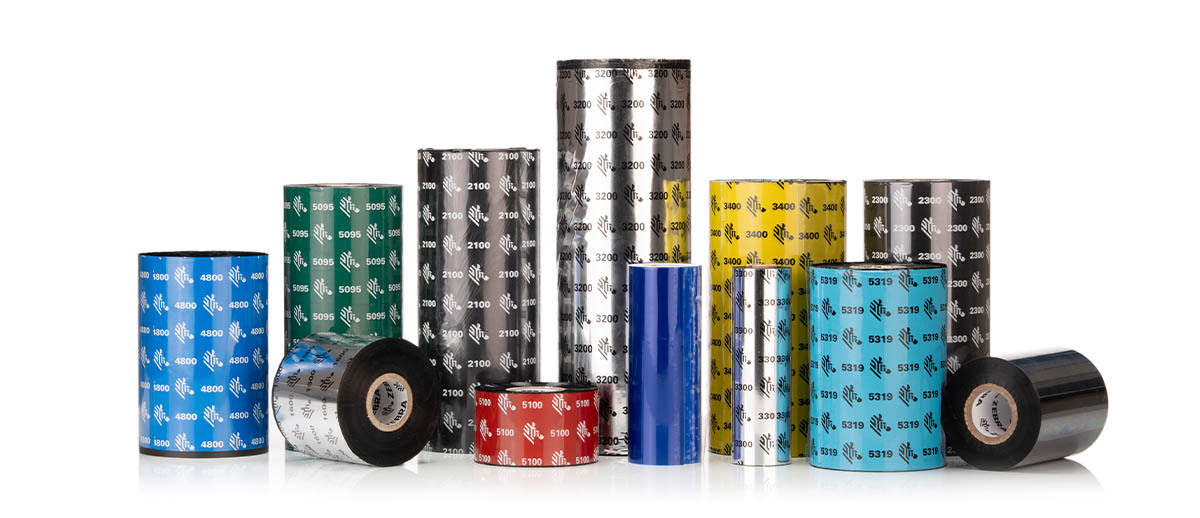
What Makes Resin Ribbons Different?
The core difference between resin ribbons and wax ribbons lies in the ink formulation and how it interacts with the label material.
- Wax ribbons are primarily composed of natural or synthetic waxes, which melt at lower temperatures and are absorbed into porous surfaces like paper. On synthetics, they sit on top without strong adhesion, making them vulnerable to wear.
- Resin ribbons, on the other hand, use a resin-based ink, often derived from synthetic polymers such as polyester, acrylic, or silicone resins. These formulations require higher printhead temperatures (around 250∘F or more) to melt and transfer.
Once transferred, the resin ink forms a strong chemical bond with the synthetic label surface, essentially fusing into it for exceptional durability. This bond resists abrasion, chemicals like acetone or xylene, UV light, and temperatures up to 500∘F in some cases. The result is a print that withstands harsh environments, ensuring barcodes remain scannable over extended periods.
Delving into the Chemical Formulation
Resin ribbons typically consist of a thin polyester film base coated with a release layer, the resin ink layer, and a back coating to protect the printhead. The ink layer is formulated with high-density thermoplastic resins that soften under heat and harden upon cooling, creating a tough, flexible layer.
This formulation allows for a more durable bond because the resin molecules are designed to match the molecular structure of synthetic labels. Unlike wax, which relies on physical absorption, resin creates a semi-permanent fusion, significantly enhancing resistance to solvents and mechanical stress. Additives like pigments, stabilizers, and anti-static agents further tailor the ribbon for specific applications, such as chemical resistance in labs or heat tolerance in automotive parts.
Are All Resin Ribbons Made Equal?
Not all resin ribbons are made equal; significant differences exist even within a single manufacturer's lineup.
- Specific Formulations: Variations exist based on the specific resin blend. For example, some formulations emphasize chemical resistance (with added solvents), while others focus on high-heat applications (with silicone-based resins). A ribbon optimized for polyester might not perform as well on polyimide, requiring testing to match the right one.
- Manufacturer Differences: Proprietary recipes mean one brand’s resin ribbon might offer better abrasion resistance due to higher resin content, while another’s could prioritize print speed or cost-efficiency. Factors like the quality of raw materials, coating uniformity, and anti-static properties vary, impacting print quality and printer longevity.
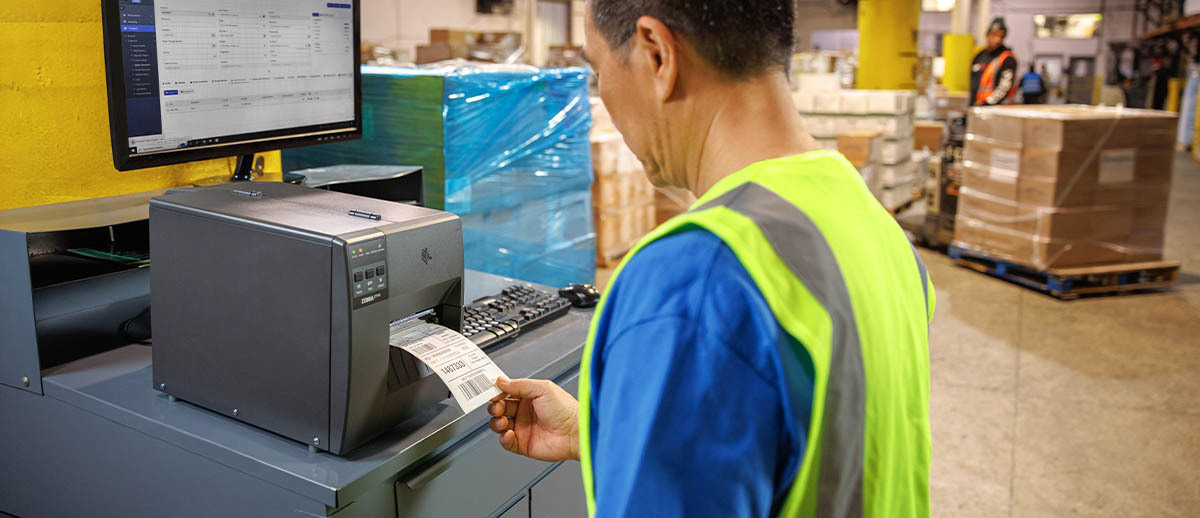
Degrees of Durability in Resin Ribbon Formulation
While the article previously noted that not all resin ribbons are equal, understanding the spectrum of their specialization is vital. Resin ribbons aren't monolithic; they range from general-purpose to ultra-specialized based on their intended environment.
- Standard or General-Purpose Resin Ribbons
These are the less durable options within the resin category, featuring basic high-resin content for moderately harsh environments. They offer good abrasion and chemical resistance but aren't optimized for extremes. They are ideal for general durable labels where cost-efficiency matters more than ultra-resistance. Expect a resin ribbon temperature range of approximately 212∘F to 300∘F.
- Specialized or Premium Resin Ribbons
These formulations are moderately durable and enhance specific traits, such as facilitating high-speed resin ribbon printing (up to 10 IPS) or providing improved solvent resistance with specialized additives. They deliver better performance than standard options for applications like flexible packaging or pharmaceuticals, enduring moderate abrasion and solvents up to ≈356∘F.
- Ultra-Durable or Industrial Resin Ribbons
These represent the most durable resin ribbon formulations, engineered for the toughest conditions. They are specifically formulated for extreme high temperature resin ribbon applications or harsh chemical exposure. These are true industrial resin ribbons, offering superior endurance to alcohols, solvents, and abrasion, with performance often exceeding 356∘F. This is the choice when you need the best resin ribbon for harsh environments—such as automotive parts, chemical drums, or outdoor marine tags—where label failure isn't an option.
This clear spectrum allows users to select the exact ribbon they need, whether they are looking for the most durable resin ribbon for polyester labels or a balance of cost and performance.
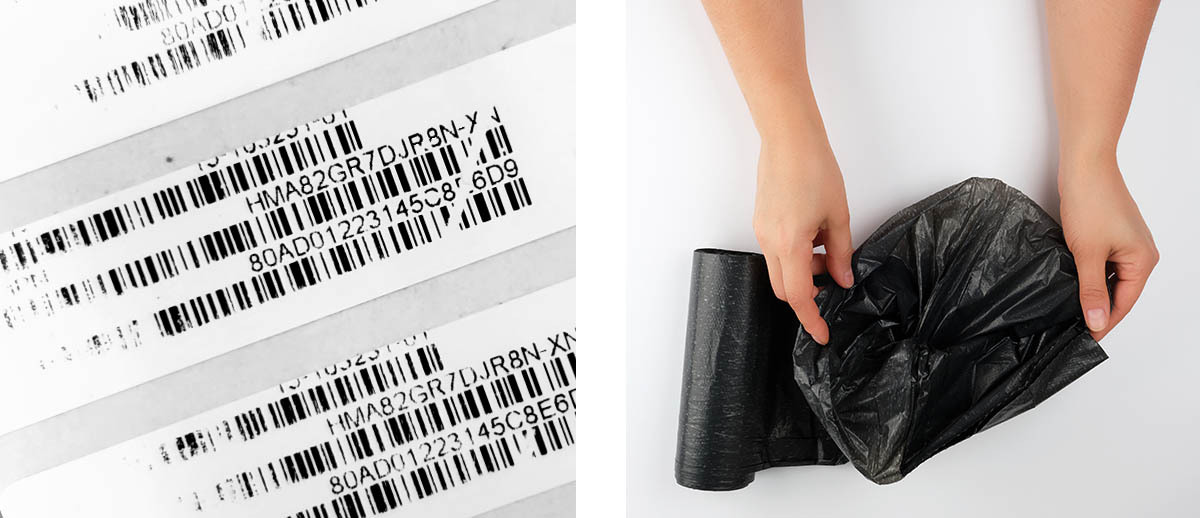
Choosing the Right Resin Ribbon for Success
When selecting thermal transfer ribbons, opting for trusted manufacturers is crucial for consistent performance. Leading names include DNP Imagingcomm, Ricoh, Armor, ITW Thermal Films, and Zebra Technologies. These companies are renowned for their rigorous quality control and innovative formulations.
Be wary of cheaply manufactured ribbons from unvetted sources. These generics often suffer from inconsistent ink thickness, poor winding, and subpar materials, leading to faded prints, ribbon breakage, printer jams, and reduced label durability. Issues like shorter-than-advertised lengths can cause operational downtime, ultimately costing more in repairs and reprints.
At the end of the day, applications that require resin ribbons are demanding, outcome-critical, and require a dependable product. Choose a dependable manufacturer first and foremost, then test thoroughly to find the correct resin ribbon formulation that will provide an acceptable outcome at a cost-efficient price.
By prioritizing quality and compatibility, you ensure your barcode labels remain reliable, reducing errors and enhancing efficiency in even the harshest environments.
Talk to an Expert