
Automotive Thermal Transfer Labels | UL 969 Certified Guide
Posted by Thermal Printer Supplies on Jan 20th 2026

UL 969 Automotive Labels: Engineering Permanence for 15-Year Vehicle Lifecycles
When a technician opens the hood of a 2025 sedan for a routine service, they expect to find a crisp, legible battery warning label—even if the vehicle has endured ten Midwest winters, countless hours of engine heat, and exposure to brake fluid during a caliper replacement. That expectation isn't just about convenience; it's a regulatory requirement backed by federal safety standards and manufacturer liability protocols.
In the automotive sector, labels function as permanent safety components, not disposable stickers. A faded VIN placard or illegible tire pressure specification can trigger costly chargebacks, compliance audits, or even vehicle recalls. This is where UL 969 marking and labeling systems become critical—not as a checkbox item, but as an engineered solution designed to outlast the vehicle itself.
Understanding UL 969: Beyond the "UL Recognized" Mark
UL 969 is frequently misunderstood as a simple "approval stamp" for labels. In reality, it's a comprehensive performance standard that evaluates marking and labeling systems as integrated assemblies. Underwriters Laboratories doesn't certify individual components in isolation; they validate the combination of facestock, adhesive chemistry, and thermal transfer ribbon as a functional system.
The System-Based Certification Model
This distinction matters enormously in real-world applications. Consider a scenario where a manufacturer purchases UL-recognized polyester label stock but pairs it with an unapproved wax-resin ribbon to reduce costs. Even if the facestock itself carries a UL mark, the final printed label loses its compliance status because the ribbon wasn't part of the tested system. The thermal transfer ribbon creates a molecular bond with the facestock during printing—if that ribbon chemistry wasn't validated in UL's testing protocol, the entire system fails.
UL organizes these validated systems under Category Control Numbers (CCNs), which act as reference guides for manufacturers:
- PGDQ2: Finished label products (pre-printed or blank labels ready for application)
- PGJI2: Printing materials including thermal transfer ribbons, blank label stock, and printing systems
- PGGU2: Heat-shrink identification products (critical for wire harness labeling)
When sourcing automotive labels, procurement teams should request both the CCN and the specific "Conditions of Acceptability" document—a detailed test report showing exactly which environmental challenges the label system survived.
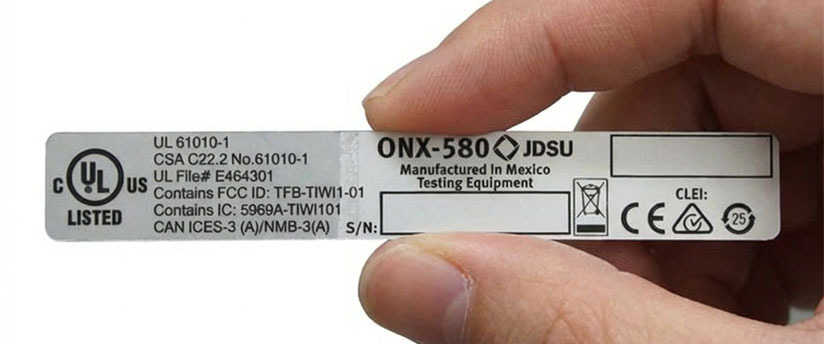
Decoding Conditions of Acceptability: What Automotive Testing Actually Measures
The Conditions of Acceptability function as a label's resume, documenting its performance against standardized abuse scenarios. For automotive applications, three categories dominate the testing protocol:
1. Surface Chemistry and Low Surface Energy Adhesion
Modern vehicles use low surface energy (LSE) plastics like polypropylene (PP), polyethylene (PE), and thermoplastic olefin (TPO) for weight reduction and moldability. These materials are notoriously difficult for adhesives to bond with because their molecular structure repels traditional adhesive chemistries.
UL 969 testing validates adhesive performance on these challenging substrates through:
- Peel adhesion tests measuring bond strength in ounces per inch
- Accelerated aging protocols simulating 15+ years of UV exposure
- Humidity resistance cycling between 5% and 95% relative humidity
Labels approved for LSE plastics typically use acrylic-based or modified rubber adhesives with high initial tack (the ability to wet out textured surfaces immediately) and high ultimate bond strength (resistance to peeling after full cure).
2. Chemical Resistance: The Automotive "Big Four"
Automotive labels face constant exposure to aggressive fluids. UL 969 testing evaluates resistance to:
- Engine Oil (SAE 10W-30): Polyester facestocks with resin ribbon overprints resist oil penetration and smearing
- Brake Fluid (DOT 3/DOT 4): Highly caustic glycol-based fluids that dissolve many adhesives within hours
- Gasoline: Aromatic hydrocarbons that attack label edges and cause adhesive softening
- Coolant/Antifreeze: Ethylene glycol mixtures at elevated temperatures (up to 120°C)
Testing involves immersion periods of 168+ hours followed by peel tests to measure bond integrity. Labels that survive this gauntlet earn chemical resistance classifications in their Conditions of Acceptability documentation.
3. Thermal Cycling and Extreme Temperature Performance
Vehicle components experience temperature swings that would destroy consumer-grade labels:
- Winter Storage: -40°C in northern climates (adhesive embrittlement risk)
- Summer Dashboard: 80°C+ under direct sunlight (facestock shrinkage)
- Engine Bay: 125-150°C sustained heat near exhaust manifolds
- Brake Assemblies: 200°C+ during heavy braking events
UL 969 thermal cycling tests alternate between temperature extremes, measuring dimensional stability (how much the label shrinks or expands) and adhesive creep (gradual migration under heat). Only synthetic facestocks—polyester, polyimide, or polypropylene—paired with high-resin thermal transfer ribbons consistently pass these protocols.
Mission-Critical Automotive Label Applications
VIN and Federal Safety Placards
The Vehicle Identification Number placard and tire pressure information label aren't merely informational—they're legally mandated safety data governed by 49 CFR Part 565 (VIN requirements) and the TREAD Act (tire pressure specifications). These labels must:
- Survive the vehicle's entire service life without fading or detachment
- Resist tampering or removal (destructible facestocks preferred)
- Remain scannable by law enforcement and inspection stations
Counterfeit or non-compliant VIN labels can result in vehicle registration denials, failed inspections, or criminal investigations. Manufacturers face severe penalties for using non-UL-recognized labels in these applications.
Under-the-Hood (UTH) Identification Systems
Engine bay labels endure the harshest conditions in automotive labeling:
- Battery Warning Labels: Must remain legible despite sulfuric acid fumes and 150°C+ ambient temperatures
- Fuse Box Diagrams: Enable technicians to identify circuits during electrical troubleshooting
- Fluid Reservoir Indicators: Prevent costly misidentification (e.g., filling coolant reservoir with brake fluid)
UTH applications demand polyimide or ultra-high-grade polyester facestocks (2 mil+ thickness) paired with full resin ribbons. These materials maintain structural integrity and print legibility even when exposed to oil mist, road salt, and thermal shock.
Wire Harness and Cable Identification
Modern vehicles contain 2+ miles of wiring distributed across chassis, powertrain, and body systems. During repairs or warranty work, technicians rely on wire identification labels to trace circuits without causing damage. Two UL 969-compliant solutions dominate:
- Self-Laminating Wire Wraps: Clear polyester tail wraps around the cable, protecting printed data from abrasion
- Heat-Shrink Identification Sleeves: Polyolefin tubing with permanent markings that shrink-fit around wire bundles
Both approaches must maintain legibility after exposure to hydraulic fluids, temperature cycling, and mechanical flexing over hundreds of thousands of miles.
The Direct Thermal Compliance Trap
One of the most expensive mistakes in automotive labeling is attempting to use direct thermal (DT) technology for applications requiring UL 969 compliance. The business case appears compelling: DT eliminates ribbon costs and speeds up printing. However, DT labels fail catastrophically in automotive environments.
Why Direct Thermal Fails
Direct thermal labels rely on heat-sensitive chemistry embedded in the facestock. When exposed to elevated temperatures—whether from sunlight, engine heat, or friction—the entire label turns black, rendering all data illegible. This "thermal runaway" occurs at temperatures as low as 60°C, well below typical automotive operating conditions.
UL 969 automotive certifications almost universally exclude direct thermal labels because they cannot survive the required thermal cycling tests. Manufacturers who attempt to use DT labels for under-hood or safety applications face:
- Immediate compliance audit failures
- OEM chargebacks for non-conforming parts
- Potential product recalls if labels become illegible
The Thermal Transfer Solution
Thermal transfer printing using high-resin ribbons bonded to synthetic facestocks represents the only reliable path to UL 969 automotive compliance. The printing process creates a permanent molecular bond between ribbon resin and facestock coating, resulting in:
- Chemical resistance to all automotive fluids
- Temperature stability from -40°C to 150°C+
- UV resistance preventing sunlight-induced fading
- Abrasion resistance for wire harness applications
The ribbon-facestock combination must be validated as a complete system under the relevant CCN. Using an unapproved ribbon voids the UL recognition, even if the facestock itself is certified.

Managing Liability Through Traceability and Serialization
Automotive supply chains demand granular traceability to manage quality control and liability exposure. A single defective label can trigger cascading consequences:
The Chargeback and Recall Risk
Consider a scenario where under-hood battery warning labels begin failing after 36 months due to adhesive breakdown. The vehicle manufacturer faces:
- Direct Replacement Costs: Dealer labor to inspect and replace labels on affected units
- Logistics Costs: Shipping corrective materials to hundreds of dealer locations
- Regulatory Exposure: NHTSA investigation if the label failure creates a safety hazard
The manufacturer then charges back these costs to the label supplier, often with contractual penalty multipliers. If the label supplier cannot prove UL 969 compliance for the specific batch, they absorb the full financial liability.
Variable Data Printing and Compliance
Modern automotive labeling requires variable data printing for serialization and traceability:
- 2D DataMatrix Codes: Encode VIN, build date, plant location, and supplier codes
- Sequential Numbering: Track individual components through assembly and service history
- Batch/Lot Identifiers: Enable rapid isolation during quality investigations
The critical compliance question: Does adding variable data affect UL 969 recognition? The answer depends on printing method:
- Pre-approved Thermal Transfer Systems: Variable data printed with certified ribbon/facestock combinations maintains UL status
- Inkjet or Laser Overprinting: May void UL recognition unless specifically tested and documented
Manufacturers should request updated Conditions of Acceptability documentation when implementing variable data printing to confirm ongoing compliance.
Solving the Engineer's Label Specification Challenge
When automotive engineers specify labels for new vehicle platforms, they face a multi-variable optimization problem:
The Challenge:
"I need a label for a textured PP plastic component near the transmission that may contact engine oil, must survive 150°C heat, and cannot fall off for 15 years."
The Solution Framework:
- Facestock Selection: 2 mil white polyester with semi-gloss finish for print receptivity
- Adhesive Chemistry: Modified acrylic with LSE plastic certification and 180°C service temperature
- Ribbon Specification: Full resin ribbon formulation tested with selected facestock under UL CCN PGJI2
- Validation Documentation: Conditions of Acceptability confirming oil resistance, thermal cycling, and LSE adhesion
This engineered approach transforms label sourcing from a commodity transaction into a compliance partnership where the supplier provides test data, application guidance, and ongoing technical support.
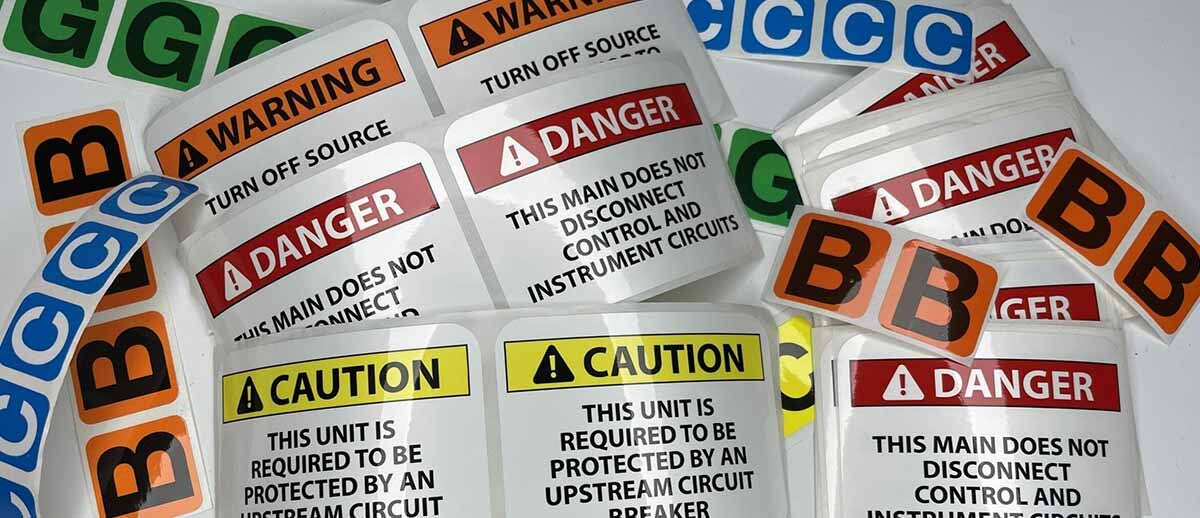
From Vendor to Compliance Partner
The automotive labeling market rewards suppliers who understand the intersection of material science, regulatory requirements, and application engineering. Companies that offer UL 969-compliant labels backed by detailed Conditions of Acceptability documentation—and who can explain why a specific ribbon/facestock combination solves a customer's challenge—protect their clients from audit failures, chargebacks, and safety incidents.
In an industry where a $0.15 label protects a $45,000 vehicle, compliance isn't optional—it's engineered permanence.